
Tuesday, May 16, 2017
Life Just Wants To Live

Tuesday, December 9, 2014
His Hands Hold Miracles
http://www.huffingtonpost.com/mary-walker-baron/his-hands-hold-miracles_b_6271770.html
Soon my grandson will celebrate his six-month birthday. Actually that's not quite true. Chances are only his family will celebrate this milestone. Charles, on the other hand, will continue his daily pursuits oblivious of the date and its significance. On that day he will smile and on occasion laugh. He will expend awe-inspiring effort to drag himself a few feet across the floor until he is able to crawl there. And we will, of course, clap our hands at his every accomplishment.
Shortly after his birth a friend asked me if I had processed the fact that I was a grandmother. My response was that I hadn't even processed the fact that I was a mother and thus felt far removed from "getting it" that my daughter was now the mother of a child who was by definition my grandchild.
Life is a lot to take in.
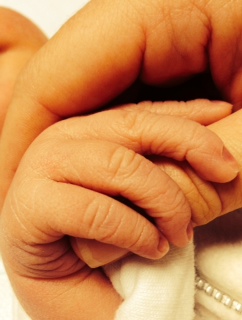
Shortly after his birth, I held my grandson for the first time. A tiny hand grasped my index finger. Since that overwhelmingly powerful moment I've been thinking a lot about hands.
We wring them. We wave them. We clap them. We hold them. We make them into fists. We use them to replace or accompany speech. We salute or insult with our hands. If we've lost control we say that things got out of hand. If we want to pass responsibility to another person we say we will hand it off. The height of a horse is measured in hands. We shake hands with another originally to indicate we had no weapons and now to show positive regard. Charity without respect can be called a hand out. In negotiations we don't want to show our hand too early. If we are experienced it might be said that we are old hands at it. When we help out a friend we have lent a hand. Decisions can be made by a show of hands. If our hands are tied we are unable to, for example, lend a hand. When we have too much to do we might say that our hands are full. Supervisors who work alongside staff might be said to be hands on in style. When we refuse or fail to take action we are possibly sitting on our hands.
Hands have power in language and in life.
During the past almost six months, Charles has accomplished magnificent things with his hands. He can now pull his mother's hair. He can tug his father's necktie. He can grasp and release his rattle. He can stroke his dog's nose. He can pick up a spoon and with his other hand fill the spoon with pumpkin. He can also pick up more pumpkin and rub it into his hair. And, of course, he continues to grasp my fingers. His grip is stronger and much more deliberate than on the day of his birth but still mesmerizing and mystifying.
He is learning at six months the possibilities of his hands.
Of course, we all continue to learn the potential of our hands. With our hands we play violin concertos and write novels and turn pages and knead dough and butter bread and comfort and caress. And with our hands we pull triggers and hit and inflict unbearable pain.
For the rest of his life my grandson will continue to discover the potential of his hands. He will assign them their tasks.
In that way we are all like Charles. We must each decide the work of our hands.
As I celebrate his first six months of life and wish him decades and decades more I also wish him the courage to use his hands for good.
But I'll explain all of that to him in a few years. For now I'll just enjoy having him hold onto my finger while I wipe the pumpkin out of his hair.

Soon my grandson will celebrate his six-month birthday. Actually that's not quite true. Chances are only his family will celebrate this milestone. Charles, on the other hand, will continue his daily pursuits oblivious of the date and its significance. On that day he will smile and on occasion laugh. He will expend awe-inspiring effort to drag himself a few feet across the floor until he is able to crawl there. And we will, of course, clap our hands at his every accomplishment.
Shortly after his birth a friend asked me if I had processed the fact that I was a grandmother. My response was that I hadn't even processed the fact that I was a mother and thus felt far removed from "getting it" that my daughter was now the mother of a child who was by definition my grandchild.
Life is a lot to take in.
Shortly after his birth, I held my grandson for the first time. A tiny hand grasped my index finger. Since that overwhelmingly powerful moment I've been thinking a lot about hands.
We wring them. We wave them. We clap them. We hold them. We make them into fists. We use them to replace or accompany speech. We salute or insult with our hands. If we've lost control we say that things got out of hand. If we want to pass responsibility to another person we say we will hand it off. The height of a horse is measured in hands. We shake hands with another originally to indicate we had no weapons and now to show positive regard. Charity without respect can be called a hand out. In negotiations we don't want to show our hand too early. If we are experienced it might be said that we are old hands at it. When we help out a friend we have lent a hand. Decisions can be made by a show of hands. If our hands are tied we are unable to, for example, lend a hand. When we have too much to do we might say that our hands are full. Supervisors who work alongside staff might be said to be hands on in style. When we refuse or fail to take action we are possibly sitting on our hands.
Hands have power in language and in life.
During the past almost six months, Charles has accomplished magnificent things with his hands. He can now pull his mother's hair. He can tug his father's necktie. He can grasp and release his rattle. He can stroke his dog's nose. He can pick up a spoon and with his other hand fill the spoon with pumpkin. He can also pick up more pumpkin and rub it into his hair. And, of course, he continues to grasp my fingers. His grip is stronger and much more deliberate than on the day of his birth but still mesmerizing and mystifying.
He is learning at six months the possibilities of his hands.
Of course, we all continue to learn the potential of our hands. With our hands we play violin concertos and write novels and turn pages and knead dough and butter bread and comfort and caress. And with our hands we pull triggers and hit and inflict unbearable pain.
For the rest of his life my grandson will continue to discover the potential of his hands. He will assign them their tasks.
In that way we are all like Charles. We must each decide the work of our hands.
As I celebrate his first six months of life and wish him decades and decades more I also wish him the courage to use his hands for good.
But I'll explain all of that to him in a few years. For now I'll just enjoy having him hold onto my finger while I wipe the pumpkin out of his hair.
Thursday, December 4, 2014


Tuesday, November 4, 2014
I'm New To The Seasons
From the Huffington Post:
http://www.huffingtonpost.com/mary-walker-baron/im-new-to-the-seasons_b_6096324.html
After living in Southern California for most of my adult life, I moved to New Jersey. Unusually deep snow, ice, and record-breaking low temperatures greeted my arrival. I became familiar with the term "polar vortex." Looking back over the past several months I am beginning to consider that the unusually cold, wet, frozen weather had little if anything to do with my arrival. Nevertheless, I became a student of the seasons just in case it really was all about me. I've recently determined that seasons are essential.
Okay. So any meteorologist could have told you that. Except, just for the record, the "most of my adult life" lived in Southern California consisted of quite a few years. If there are noticeable seasons in that part of the world, their arrivals and departures are beyond subtle. A dear friend and East Coast ex-patriot once observed that California had two seasons -- night and day.
Beyond the meteorological significance of seasons, I now believe they are essential for other reasons. No offense to all who love the sameness of Southern California, but that sameness, in my opinion, can become dangerous. Because of it we are lulled into a belief that change doesn't happen. We maintain our homes and our offices at comfortable temperatures. We walk from them to our automobiles, which we also maintain at comfortable temperatures. We only remark on the weather if we happen to be outside. Outside is only the place to go to do something impossible to do inside or to rush through on our way to some other inside. During those outside experiences our most frequent remark is a complaint about the heat because rarely do we need even a sweater in that land of eternal youth and good looks. Eventually, it seems to me, we forget that our time to complain about or experience weather is fragile and finite. We become oblivious to the passing of time and thus oblivious to the passing of our own time.
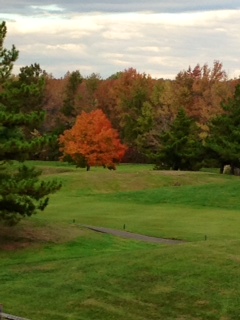
Here on the East Coast autumn dazzles the senses with leaves in constant, colorful change. Soon the deciduous trees will be leafless and bare. Winter will come again with its ice and snow and cold. In my "new to the seasons" worldview, it seems to me that each season has its own rhythm and urgency and purpose. Autumn (aka "fall") seems to be a season of preparation. There is an inevitable urgency as life prepares for winter: roads repaired. Construction hurried toward completion. Gardens mulched. Coats brought from storage to closets or coat racks. Winter will come in its own time but just knowing it's on its way compels us to prepare for the weeks of hunkering down. Even leaving home for work or life sustaining errands requires a hunkering down in those harsh weeks. Winter bends us over and forces us to consider each footstep lest we slip on ice or sink knee deep into a drift. Just when we worry that winter will never end we witness the first snow crocus bravely pushing its goblet-shaped head through the snow and we know beyond a shadow of a doubt that miracles even in this day and age do happen. And summer forces us outside. Hiking paths and parks and beaches fill with people rejoicing in sunshine and heat thrilled over having survived another winter until once again the leaves begin to change their colors and we know the cycle will repeat. Thus we mark and cherish and glory in the days of our lives fully aware of their seasons.
Of course, I'm new to seasons. They still seem miraculous to me as they offer compelling life lessons. I'm hoping they remain reminders of my many life miracles instead of becoming just another thing about which I complain or worse yet fail to notice.
Living with intentional awareness requires attention. I've got to stay alert for falling leaves, icy paths, brave blossoms, rising temperatures and precious moments.

http://www.huffingtonpost.com/mary-walker-baron/im-new-to-the-seasons_b_6096324.html
After living in Southern California for most of my adult life, I moved to New Jersey. Unusually deep snow, ice, and record-breaking low temperatures greeted my arrival. I became familiar with the term "polar vortex." Looking back over the past several months I am beginning to consider that the unusually cold, wet, frozen weather had little if anything to do with my arrival. Nevertheless, I became a student of the seasons just in case it really was all about me. I've recently determined that seasons are essential.
Okay. So any meteorologist could have told you that. Except, just for the record, the "most of my adult life" lived in Southern California consisted of quite a few years. If there are noticeable seasons in that part of the world, their arrivals and departures are beyond subtle. A dear friend and East Coast ex-patriot once observed that California had two seasons -- night and day.
Beyond the meteorological significance of seasons, I now believe they are essential for other reasons. No offense to all who love the sameness of Southern California, but that sameness, in my opinion, can become dangerous. Because of it we are lulled into a belief that change doesn't happen. We maintain our homes and our offices at comfortable temperatures. We walk from them to our automobiles, which we also maintain at comfortable temperatures. We only remark on the weather if we happen to be outside. Outside is only the place to go to do something impossible to do inside or to rush through on our way to some other inside. During those outside experiences our most frequent remark is a complaint about the heat because rarely do we need even a sweater in that land of eternal youth and good looks. Eventually, it seems to me, we forget that our time to complain about or experience weather is fragile and finite. We become oblivious to the passing of time and thus oblivious to the passing of our own time.
Here on the East Coast autumn dazzles the senses with leaves in constant, colorful change. Soon the deciduous trees will be leafless and bare. Winter will come again with its ice and snow and cold. In my "new to the seasons" worldview, it seems to me that each season has its own rhythm and urgency and purpose. Autumn (aka "fall") seems to be a season of preparation. There is an inevitable urgency as life prepares for winter: roads repaired. Construction hurried toward completion. Gardens mulched. Coats brought from storage to closets or coat racks. Winter will come in its own time but just knowing it's on its way compels us to prepare for the weeks of hunkering down. Even leaving home for work or life sustaining errands requires a hunkering down in those harsh weeks. Winter bends us over and forces us to consider each footstep lest we slip on ice or sink knee deep into a drift. Just when we worry that winter will never end we witness the first snow crocus bravely pushing its goblet-shaped head through the snow and we know beyond a shadow of a doubt that miracles even in this day and age do happen. And summer forces us outside. Hiking paths and parks and beaches fill with people rejoicing in sunshine and heat thrilled over having survived another winter until once again the leaves begin to change their colors and we know the cycle will repeat. Thus we mark and cherish and glory in the days of our lives fully aware of their seasons.
Of course, I'm new to seasons. They still seem miraculous to me as they offer compelling life lessons. I'm hoping they remain reminders of my many life miracles instead of becoming just another thing about which I complain or worse yet fail to notice.
Living with intentional awareness requires attention. I've got to stay alert for falling leaves, icy paths, brave blossoms, rising temperatures and precious moments.
Monday, October 13, 2014
Happiness Is Worth The Mess
http://www.huffingtonpost.com/mary-walker-baron/happiness-is-worth-the-me_b_5954916.html
Here's my most recent article in the Huffington Post:
HAPPINESS IS WORTH THE MESS:
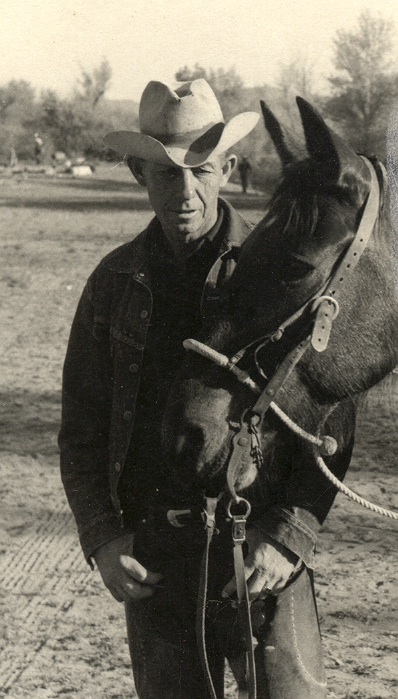
My father was a tidy man. He kept his tools in order. Bridles for the horses hung neatly from the proper pegs. He oiled his saddle regularly. Yes, Daddy was a cowboy. During his lifetime, cattle ranching in the Arizona desert wasn't easy. The droughts were long. The rains came rarely. He was no stranger to harsh scarcity. He also was no stranger to boundless joy.
I learned a lot from my father: How to sense the coming rain hours before its arrival. How to cool a branding iron in the sand. How to treat all people with equal respect whether they were convicted felons on parole or United States Senators on the campaign trail. I also learned from him that exuberance can sometimes get messy and that the mess is really okay as long as you eventually clean it up.
It was a particularly hot summer day when Daddy announced that he and I were going to the foot of Yarnell Hill to buy a lug of peaches. Apparently we were going to surprise my mother by bringing peaches home for her to can. I would later learn that a lug of peaches adds up to quite a few pieces of fruit weighing a lot. We would later that day arrive home with more than a lug or two. My father sometimes had trouble putting on the brakes literally and metaphorically.
I don't care for peaches. The taste is heavenly but not worth dealing with the skin's fuzz which leaves me feeling itchy and crawly and altogether regretting that I ever considered eating the peach. Thus I was not thrilled by the news of our outing. Nevertheless he and I climbed into the old Jeep Willys to drive miles on a dirt road swallowing dust to arrive at a paved road to finally wind up on another dirt road, which eventually led us to the grove of peach trees at the foot of Yarnell Hill. A primary challenge to this journey was the fact that the Jeep had no brakes which gave concrete affirmation to my father's previously mentioned challenge with brakes. He was expert, though, at downshifting to brake the Jeep and our arrival at the orchard was without incident.
I hadn't realized that we had to pick the peaches ourselves and thus had nothing to protect my hands from the dreaded fuzz. My father's exuberance over the peach project did little to improve my mood. I felt miserable. My skin seemed alive with the itchy awful fuzz. I hated every peach I picked. Daddy, on the other hand, smiled and laughed and sang with pure delight. When he declared that one lug wasn't nearly enough my heart sank. Nevertheless, I dragged my bucket behind me and we trudged deeper and deeper into the grove until finally, with what seemed to me an obscene amount of peaches, he declared the job done.
We lugged our lugs to the front of the grove where Daddy carefully counted out the correct change. I suspected that the price of the peaches ate up most of the week's budget for food but Daddy didn't seem to care. He just wanted to take the peaches home to his wife - to my mother.
Once back at the Jeep we safely settled the peaches in back of us and climbed into the roofless, brakeless, worn out Army surplus Willys to get situated between the sprung springs ready for the ride home.
For a moment Daddy seemed lost in thought.
Then he jumped out of the Jeep and, laughing, said, "She won't miss just one peach."
In the moments that followed I saw joy as I had never seen it before and have never seen it since. My father took a peach in his hand, studied it for just a moment and then bit in. Juice ran down his chin and onto his shirt. Juice ran onto his hands, under the cuffs of his shirtsleeves, and down his arms. He gloried in the taste of the peach and did not pause until only the pit remained. Finally he placed the pit back in the box with the other peaches as though he needed proof that the peach had existed.
There was no water available for him to wash. He said he'd deal with that later. For him, the joy was worth the mess. He took his handkerchief from his pocket and tidied up as best he could and then, still smiling, got back in the Jeep.
By the time we got back home his hands and face were caked from the dust that had stuck to his peach juice sticky skin. Still happy beyond description, he carried the peaches into the house. My mother was thrilled with the peaches, with her husband's contagious joy and, also, by the fact that her surly daughter seemed almost happy.

Here's my most recent article in the Huffington Post:
HAPPINESS IS WORTH THE MESS:
My father was a tidy man. He kept his tools in order. Bridles for the horses hung neatly from the proper pegs. He oiled his saddle regularly. Yes, Daddy was a cowboy. During his lifetime, cattle ranching in the Arizona desert wasn't easy. The droughts were long. The rains came rarely. He was no stranger to harsh scarcity. He also was no stranger to boundless joy.
I learned a lot from my father: How to sense the coming rain hours before its arrival. How to cool a branding iron in the sand. How to treat all people with equal respect whether they were convicted felons on parole or United States Senators on the campaign trail. I also learned from him that exuberance can sometimes get messy and that the mess is really okay as long as you eventually clean it up.
It was a particularly hot summer day when Daddy announced that he and I were going to the foot of Yarnell Hill to buy a lug of peaches. Apparently we were going to surprise my mother by bringing peaches home for her to can. I would later learn that a lug of peaches adds up to quite a few pieces of fruit weighing a lot. We would later that day arrive home with more than a lug or two. My father sometimes had trouble putting on the brakes literally and metaphorically.
I don't care for peaches. The taste is heavenly but not worth dealing with the skin's fuzz which leaves me feeling itchy and crawly and altogether regretting that I ever considered eating the peach. Thus I was not thrilled by the news of our outing. Nevertheless he and I climbed into the old Jeep Willys to drive miles on a dirt road swallowing dust to arrive at a paved road to finally wind up on another dirt road, which eventually led us to the grove of peach trees at the foot of Yarnell Hill. A primary challenge to this journey was the fact that the Jeep had no brakes which gave concrete affirmation to my father's previously mentioned challenge with brakes. He was expert, though, at downshifting to brake the Jeep and our arrival at the orchard was without incident.
I hadn't realized that we had to pick the peaches ourselves and thus had nothing to protect my hands from the dreaded fuzz. My father's exuberance over the peach project did little to improve my mood. I felt miserable. My skin seemed alive with the itchy awful fuzz. I hated every peach I picked. Daddy, on the other hand, smiled and laughed and sang with pure delight. When he declared that one lug wasn't nearly enough my heart sank. Nevertheless, I dragged my bucket behind me and we trudged deeper and deeper into the grove until finally, with what seemed to me an obscene amount of peaches, he declared the job done.
We lugged our lugs to the front of the grove where Daddy carefully counted out the correct change. I suspected that the price of the peaches ate up most of the week's budget for food but Daddy didn't seem to care. He just wanted to take the peaches home to his wife - to my mother.
Once back at the Jeep we safely settled the peaches in back of us and climbed into the roofless, brakeless, worn out Army surplus Willys to get situated between the sprung springs ready for the ride home.
For a moment Daddy seemed lost in thought.
Then he jumped out of the Jeep and, laughing, said, "She won't miss just one peach."
In the moments that followed I saw joy as I had never seen it before and have never seen it since. My father took a peach in his hand, studied it for just a moment and then bit in. Juice ran down his chin and onto his shirt. Juice ran onto his hands, under the cuffs of his shirtsleeves, and down his arms. He gloried in the taste of the peach and did not pause until only the pit remained. Finally he placed the pit back in the box with the other peaches as though he needed proof that the peach had existed.
There was no water available for him to wash. He said he'd deal with that later. For him, the joy was worth the mess. He took his handkerchief from his pocket and tidied up as best he could and then, still smiling, got back in the Jeep.
By the time we got back home his hands and face were caked from the dust that had stuck to his peach juice sticky skin. Still happy beyond description, he carried the peaches into the house. My mother was thrilled with the peaches, with her husband's contagious joy and, also, by the fact that her surly daughter seemed almost happy.
Tuesday, July 29, 2014
Why I Iron My Own Clothes
This article is from the Huffington Post:
http://www.huffingtonpost.com/mary-walker-baron/why-i-iron-my-own-clothes_b_5627241.html
I initially decided to start ironing my own clothes because paying someone else to wash and iron them seemed economically irresponsible. It wasn't that I couldn't afford that luxury. I could. Ultimately, though, I became uncomfortable simply thinking of that indulgence. What events on my calendar, I wondered, made it impossible for me to spend at the most an hour a week ironing my shirts?
So it was that I hauled my mother's ironing board out of the closet. It's a heavy, solid wood contraption. Setting it up is no simple task. There's nothing easy or automatic about it. And yet my mother used it throughout her adult life. During my childhood she heated her irons on the stove because our Arizona ranch house lacked electricity. Despite the obstacles, we never wore wrinkled clothes. Even my father's handkerchiefs were neatly pressed and folded.
Not too surprisingly, my mother taught me to iron. I began with those handkerchiefs and eventually built up to shirts.
"There's an order to ironing a shirt," my mother instructed with the implication that there was also an order to life.
She began with the wrong side out to make sure the areas behind the buttons and the buttonholes were pressed. She next ironed each side. Then in order she ironed the yoke, the back, the sleeves and finally the collar. Put the shirt on a hanger, button the top button, and go on to the next shirt.
Irons warmed on a cook stove require attention. An iron too cold doesn't accomplish anything. An iron too hot scorches the fabric or even sets it on fire. Of course, my mother's irons produced no steam so the clothes had to be 'sprinkled' with water and rolled up to keep them moist during the ironing process.
My current return to the ironing board required less thought and much less effort. For far less money than I was spending in one trip to the cleaners I bought a steam iron. Not only could it produce steam, it had a temperature control dial which even stated the type of material for each setting.
Feeling ever so awkward but determined, I began my foray back into ironing. I immediately heard the familiar creaking sounds from the ironing board as I moved the steam iron back and forth. I focused on those sounds and remembered sitting on a kitchen chair with my legs not quite touching the floor watching my mother iron my father's shirts. I could almost smell the irons heating on the stove. There was always one on the stove and the other in my mother's hands.
She and I sang while she ironed. Soon I heard myself humming those songs to myself as I focused ironing each part of my shirts. I remembered the pride I felt when I was finally allowed to iron a handkerchief. Filled with my adult technologically bound ersatz sophisticated life, that memory seemed strange and so out of context. But there it was. I had felt pride in ironing a square piece of cotton.
I finished ironing the first shirt and felt a return of that childhood pride. I recalled and reclaimed the rhythm of ironing and became lost in the process. Suddenly ironing my shirts became the most important activity in my life. With such complete immersion I was free to remember my childhood kitchen with its thick adobe walls. I heard the old butane powered Servel refrigerator clunking its way into obsolescence. And I felt my mother's gentle presence.
The seemingly mundane activity of ironing shirts has taken a meaning beyond self-sufficiency or financial prudence. I now iron my own shirts to feel the peace of concentrating completely on one activity. I now iron my own shirts to reclaim my connection to my childhood and to the remarkable woman who taught me so much more than how to get the wrinkles out of a handkerchief.
http://www.huffingtonpost.com/mary-walker-baron/why-i-iron-my-own-clothes_b_5627241.html
I initially decided to start ironing my own clothes because paying someone else to wash and iron them seemed economically irresponsible. It wasn't that I couldn't afford that luxury. I could. Ultimately, though, I became uncomfortable simply thinking of that indulgence. What events on my calendar, I wondered, made it impossible for me to spend at the most an hour a week ironing my shirts?
So it was that I hauled my mother's ironing board out of the closet. It's a heavy, solid wood contraption. Setting it up is no simple task. There's nothing easy or automatic about it. And yet my mother used it throughout her adult life. During my childhood she heated her irons on the stove because our Arizona ranch house lacked electricity. Despite the obstacles, we never wore wrinkled clothes. Even my father's handkerchiefs were neatly pressed and folded.
Not too surprisingly, my mother taught me to iron. I began with those handkerchiefs and eventually built up to shirts.
"There's an order to ironing a shirt," my mother instructed with the implication that there was also an order to life.
She began with the wrong side out to make sure the areas behind the buttons and the buttonholes were pressed. She next ironed each side. Then in order she ironed the yoke, the back, the sleeves and finally the collar. Put the shirt on a hanger, button the top button, and go on to the next shirt.
Irons warmed on a cook stove require attention. An iron too cold doesn't accomplish anything. An iron too hot scorches the fabric or even sets it on fire. Of course, my mother's irons produced no steam so the clothes had to be 'sprinkled' with water and rolled up to keep them moist during the ironing process.
My current return to the ironing board required less thought and much less effort. For far less money than I was spending in one trip to the cleaners I bought a steam iron. Not only could it produce steam, it had a temperature control dial which even stated the type of material for each setting.
Feeling ever so awkward but determined, I began my foray back into ironing. I immediately heard the familiar creaking sounds from the ironing board as I moved the steam iron back and forth. I focused on those sounds and remembered sitting on a kitchen chair with my legs not quite touching the floor watching my mother iron my father's shirts. I could almost smell the irons heating on the stove. There was always one on the stove and the other in my mother's hands.
She and I sang while she ironed. Soon I heard myself humming those songs to myself as I focused ironing each part of my shirts. I remembered the pride I felt when I was finally allowed to iron a handkerchief. Filled with my adult technologically bound ersatz sophisticated life, that memory seemed strange and so out of context. But there it was. I had felt pride in ironing a square piece of cotton.
I finished ironing the first shirt and felt a return of that childhood pride. I recalled and reclaimed the rhythm of ironing and became lost in the process. Suddenly ironing my shirts became the most important activity in my life. With such complete immersion I was free to remember my childhood kitchen with its thick adobe walls. I heard the old butane powered Servel refrigerator clunking its way into obsolescence. And I felt my mother's gentle presence.
The seemingly mundane activity of ironing shirts has taken a meaning beyond self-sufficiency or financial prudence. I now iron my own shirts to feel the peace of concentrating completely on one activity. I now iron my own shirts to reclaim my connection to my childhood and to the remarkable woman who taught me so much more than how to get the wrinkles out of a handkerchief.
Subscribe to:
Comments (Atom)